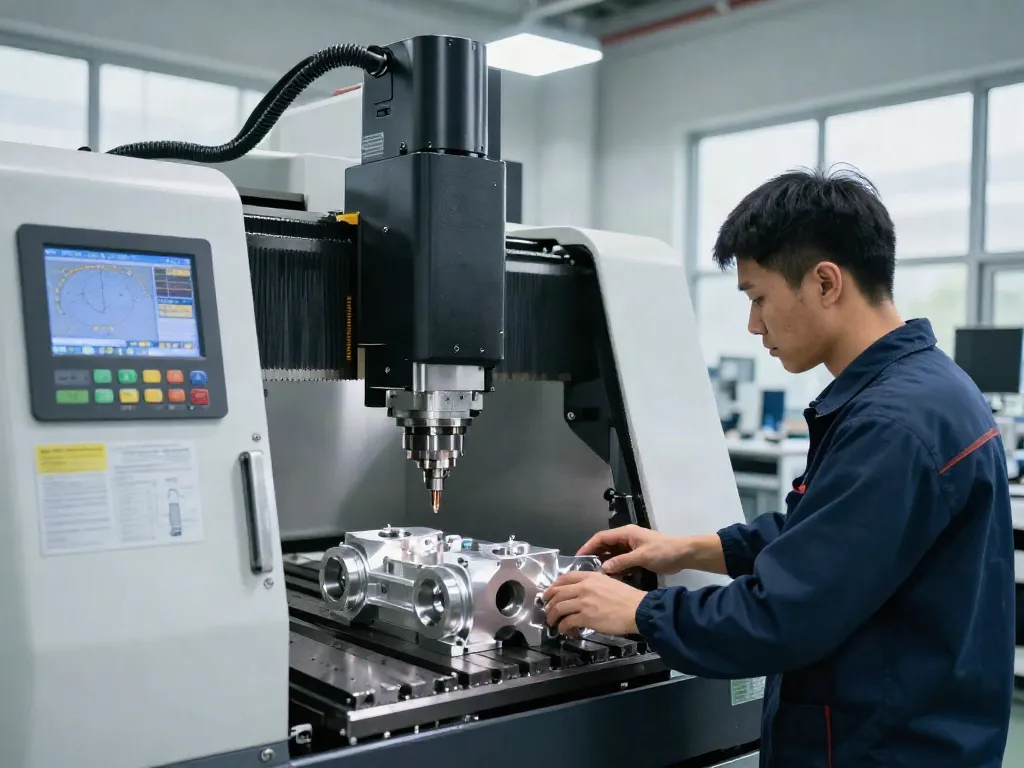
The Importance of CNC Machining in Aerospace Manufacturing
CNC (Computer Numerical Control) machining has revolutionized the aerospace manufacturing industry by enabling high precision, efficiency, and flexibility in the production of critical components. With the global aerospace sector continually evolving, manufacturers are faced with the challenge of producing complex parts that meet stringent safety and performance standards. As a leading player in this domain since 2003, Honscn specializes in providing leading aerospace cnc parts manufacturers services that address these needs with unmatched expertise.
Understanding CNC Technology
CNC technology involves the use of computer systems to control machine tools, enabling automated and precise manufacturing processes. This technology allows for multi-dimensional machining, which is essential in creating intricate designs that are often required in aerospace applications. The capabilities of CNC machines include milling, turning, drilling, and grinding, making them versatile tools for aerospace engineering.
Why Aerospace Industries Need Precision Parts
In the aerospace industry, precision is paramount. Components must be engineered to exact specifications to ensure safety and reliability under extreme conditions. Any deviation in the manufacturing process can lead to catastrophic failures. Therefore, aerospace manufacturers invest heavily in CNC machining services that can deliver parts with tolerances up to ±0.001 inches. With the ability to produce parts repeatedly with the same accuracy, CNC machining plays a crucial role in maintaining aircraft safety and performance standards.
Common Applications of CNC Machining in Aerospace
- Engine components, including housings and mounts
- Fuselage and wing structures
- Landing gear and braking systems
- Interior fittings and components
- Support brackets and frames
Top Leading Aerospace CNC Parts Manufacturers
Overview of Industry Leaders
The aerospace industry comprises several key players that have established themselves as leaders in CNC machining. Companies like Boeing, Lockheed Martin, and Northrop Grumman are notable for their continuous innovation and adherence to quality standards. They rely on trusted CNC machining partners to ensure that their components are manufactured efficiently and meet all regulatory requirements.
Unique Capabilities of Each Manufacturer
Each of the leading aerospace CNC parts manufacturers brings unique capabilities to the table. For instance, Boeing focuses on integrating advanced materials and processes to enhance aircraft performance. On the other hand, Lockheed Martin emphasizes high-volume production with rigorous quality controls, ensuring that each part produced meets the highest aerospace standards.
Comparing Production Techniques and Technologies
Production techniques vary widely, with some manufacturers utilizing traditional CNC methods while others are adopting advanced technologies such as additive manufacturing and hybrid processes that combine CNC and 3D printing. This comparison highlights how different manufacturers are leveraging technology to streamline production schedules and improve part functionality.
Materials Utilized in Aerospace CNC Machining
Common Metals and Their Applications
Metal materials play a vital role in aerospace manufacturing due to their strength, durability, and lightweight properties. Some of the most common metals utilized in CNC machining for aerospace applications include:
- Aluminum: Lightweight and corrosion-resistant, making it ideal for aircraft bodies.
- Titanium: Known for its high strength-to-weight ratio, essential for critical components.
- Steel: Provides robustness for high-load applications such as landing gears.
- Copper: Used in electrical components due to its excellent conductivity.
Plastic Materials in Aerospace Parts
While metals dominate aerospace manufacturing, various plastic materials also find applications, such as:
- PP (Polypropylene)
- PU (Polyurethane)
- PC (Polycarbonate)
- PVC (Polyvinyl Chloride)
- ABS (Acrylonitrile Butadiene Styrene)
- PET (Polyethylene Terephthalate)
- PMMA (Polymethyl Methacrylate)
- PEEK (Polyether Ether Ketone)
- POM (Polyoxymethylene)
Choosing the Right Material for Your Project
When selecting materials for aerospace components, factors such as weight, strength, thermal resistance, and machinability must be considered. Understanding the specific requirements of your project will help you determine which materials will best meet performance and regulatory demands.
Challenges in Aerospace CNC Machining
Overcoming Technical Limitations
Despite the advantages, aerospace CNC machining faces several challenges. Technical limitations, such as complex geometries and the need for tight tolerances, require manufacturers to invest in advanced machinery and skilled labor. Additionally, continuous training is essential to maintain proficiency in the latest technologies and techniques.
Addressing Cost and Efficiency Issues
Cost control remains a major concern in aerospace manufacturing. Companies must balance the high costs associated with advanced CNC technology and skilled labor with the need for efficiency. Implementing lean manufacturing principles and optimizing the supply chain can significantly enhance operational efficiency.
Quality Control and Regulatory Compliance
Ensuring quality and compliance with industry regulations is critical in aerospace machining. Manufacturers must adhere to standards such as AS9100, which requires stringent quality management systems. Regular audits and testing are essential to maintain these certifications and ensure that all products meet necessary safety and performance criteria.
Future Trends in Aerospace CNC Manufacturing
Emerging Technologies to Watch in 2026
As we look toward the future, several emerging technologies are set to transform aerospace CNC manufacturing. Innovations in automation, AI-driven machining, and improved materials will shape production processes. In particular, AI can predict maintenance needs and optimize machining parameters, enhancing efficiency and reducing downtime.
Sustainability Practices in Aerospace Manufacturing
Sustainability is becoming increasingly important in the aerospace sector. Manufacturers are prioritizing eco-friendly materials and processes to reduce their environmental impact. The push toward greener manufacturing practices is not only a response to regulatory pressures but also to consumer demand for sustainable practices across all industries.
Predictions for the Aerospace Industry
The aerospace industry is poised for continued growth, driven by advancements in technology, increased global travel, and a focus on sustainability. As manufacturers adapt to these changes, CNC machining will remain a crucial element in the production of high-quality, reliable aerospace components.
What are the benefits of CNC machining in aerospace?
CNC machining offers numerous benefits for aerospace manufacturing, including high precision, repeatability, and the ability to handle complex geometries that traditional machining methods cannot achieve. It also allows for rapid prototyping, reducing time-to-market for new designs.
How do leading aerospace CNC parts manufacturers compare?
Leading aerospace CNC parts manufacturers differentiate themselves through their technological capabilities, quality assurance processes, and ability to innovate. By analyzing these factors, companies can determine the best partners for their specific needs.
What materials are essential for aerospace CNC machining?
Materials such as aluminum, titanium, and specialized plastics are essential in aerospace CNC machining due to their strength and lightweight properties, which are critical for aircraft performance.
What are common challenges in aerospace CNC manufacturing?
Common challenges include maintaining tight tolerances, ensuring regulatory compliance, and balancing cost with efficiency. Manufacturers must also invest in technology and skilled labor to meet the demands of the aerospace market.
What future trends should the aerospace industry expect?
Future trends include the increased integration of AI and automation, the shift toward sustainable practices, and the development of advanced materials that enhance aircraft performance and safety.