Understanding Snap 8: Overview of Its Properties
Snap 8, scientifically known as Acetyl Octapeptide-3, is a synthetic octapeptide that has garnered significant attention in the skincare and research communities for its potential anti-aging effects. Initially developed as a cosmeceutical ingredient, its mechanism of action mimics that of botulinum toxin, thus offering a non-invasive alternative for reducing the appearance of wrinkles and fine lines. As an emerging research compound, understanding its properties is essential for researchers looking to explore its applications in various therapeutic contexts. When exploring options, snap 8 offers comprehensive insights into peptide studies, paving the way for innovative applications.
What Is Snap 8 and How Does It Work?
Snap 8 acts by inhibiting the release of neurotransmitters responsible for muscle contractions, leading to a reduction in the depth and visibility of expression lines over time. Its octapeptide structure enables it to penetrate the skin's barrier effectively, where it can exert its effects. In clinical studies, Snap 8 has shown promise, with users reporting noticeable improvements in skin texture and the reduction of wrinkles within a few weeks of consistent use.
Comparison with Other Peptides in Research
When compared to other peptides, such as Matrixyl (Palmitoyl Pentapeptide-4) and Argireline (Acetyl Hexapeptide-8), Snap 8 stands out due to its targeted action against dynamic wrinkles caused by facial expressions. While Matrixyl focuses primarily on collagen synthesis, Snap 8's ability to effectively reduce muscle contractions distinguishes it in the realm of anti-aging research. This attribute makes Snap 8 an intriguing choice for both cosmetic and therapeutic studies.
Research Applications and Case Studies
Research on Snap 8 has primarily focused on its application in cosmetic formulations aimed at wrinkle reduction. Various case studies have demonstrated its efficacy, with one study noting a reduction of up to 21% in wrinkles within a week of use. The combination of Snap 8 with other active ingredients may further enhance its effectiveness, creating synergistic effects that could lead to more potent formulations. This capacity for combination therapy opens avenues for research into multi-modal approaches in anti-aging treatments.
Common Misconceptions about Snap 8 Uses
Despite its promising properties, there are several misconceptions surrounding the use of Snap 8 in research and cosmetic applications. One such myth is that Snap 8 can replace surgical treatments like Botox; while it is effective at reducing wrinkles, it does not provide the same immediate, dramatic results as injections. Understanding these distinctions is important for researchers and consumers alike, to set realistic expectations regarding its outcomes.
Is Snap 8 Safe for Human Use?
Yes, Snap 8 is considered safe for topical applications, provided it is used according to recommended guidelines. However, it is crucial to note that this compound is intended for research and should be handled with care in laboratory settings. Long-term safety evaluations are necessary, especially as the market for cosmetic products containing Snap 8 continues to expand.
Popular Myths vs. Scientific Evidence
One prevalent myth is that all peptides work the same way. Scientific evidence indicates that different peptides, including Snap 8, have unique mechanisms of action and applications. Furthermore, the belief that peptide-based products are ineffective without prior invasive treatments is unfounded; Snap 8 can provide significant benefits when used as part of a regular skincare regimen.
Understanding the Scope of Laboratory Research
Laboratory research on Snap 8 must adhere to stringent standards regarding testing and validation. This includes thorough assessments of purity, efficacy, and safety, especially when used in conjunction with other compounds. Researchers are encouraged to review available Certificates of Analysis (COA) to ensure that each lot of Snap 8 meets the necessary quality controls for experimental consistency.
Best Practices for Using Snap 8 in Research
To maximize the potential benefits of Snap 8 in research contexts, it is essential to follow best practices in handling and application. Proper formulation and testing can significantly impact the outcomes of any study.
Recommended Protocols for Handling
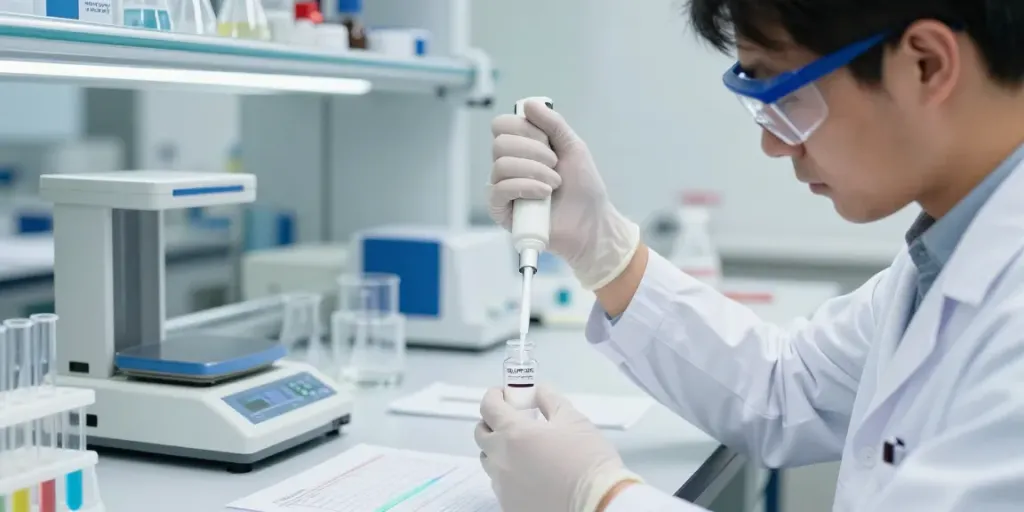
Researchers should ensure that Snap 8 is handled under appropriate laboratory conditions, ideally in a controlled environment that limits exposure to moisture and contaminants. Proper storage in a cool, dry place is recommended, and all handling should be performed using sterile techniques to maintain compound integrity.
Key Factors Impacting Experimental Results
Several factors can influence the efficacy of Snap 8 in research, including concentration, formulation, and the methodology used for application. Researchers should consider these variables critically when designing studies to evaluate its effects. Additionally, conducting comparative studies with other known peptides can provide deeper insights into Snap 8's effectiveness.
Measuring Results: Metrics and Techniques
To quantify the effects of Snap 8 in studies, standardized metrics should be employed. Common techniques include high-resolution imaging for assessing wrinkle depth, biochemical assays for measuring skin hydration, and subjective assessments through participant questionnaires regarding perceived skin changes. These metrics collectively provide a comprehensive understanding of Snap 8's efficacy.
Future Trends in Peptide Research: What to Expect in 2026
The landscape of peptide research is continuously evolving, with innovative techniques and applications emerging regularly. As we look to the future, several trends are likely to shape the use and study of Snap 8 and similar compounds.
Innovative Uses of Snap 8 in Future Studies
Future research may explore not only cosmetic applications but also therapeutic potential in conditions related to skin aging and repair. By combining Snap 8 with stem cell therapies or other regenerative treatments, researchers may unlock new pathways for enhancing skin health.
Technological Advances Affecting Research Outcomes
The increasing use of artificial intelligence in skin research can assist in predicting outcomes and personalizing treatments. AI can analyze vast datasets to identify which compounds, including Snap 8, work best for specific skin types and conditions, driving more effective product development.
Predictions for the Market and Demand for Snap 8
As awareness of the advantages of non-invasive anti-aging solutions grows, the demand for compounds like Snap 8 is expected to increase significantly. Market trends indicate a potential rise in products containing Snap 8, targeting both consumers seeking effective skincare solutions and researchers focused on innovative applications.
FAQs: Snap 8 and Its Applications
What does the Snap 8 peptide do?
Snap 8 is designed to reduce the depth of wrinkles and lines caused by facial expressions, particularly around the forehead and eyes. Its action mimics that of Botox but offers results without the need for injections.
What are Snap 8 peptide side effects?
Generally, Snap 8 is well-tolerated with minimal reported side effects; however, individual reactions may vary. It is essential to conduct patch tests before widespread use to prevent adverse reactions in sensitive individuals.
Where can I buy Snap 8 peptide?
Snap 8 can be purchased from specialized suppliers of research compounds, ensuring that they provide quality testing and certification. Always verify the source to ensure that you are acquiring a high-quality product.
How often should I use Snap 8?
For optimal results in research or cosmetic applications, Snap 8 should be incorporated into daily or bi-daily routines, depending on the formulation and specific study parameters.
Is Snap 8 suitable for laboratory use only?
While Snap 8 is primarily intended for research applications, it is also featured in cosmetic formulations aimed at anti-aging. It is crucial for users to understand the intended use and adhere to safety guidelines.