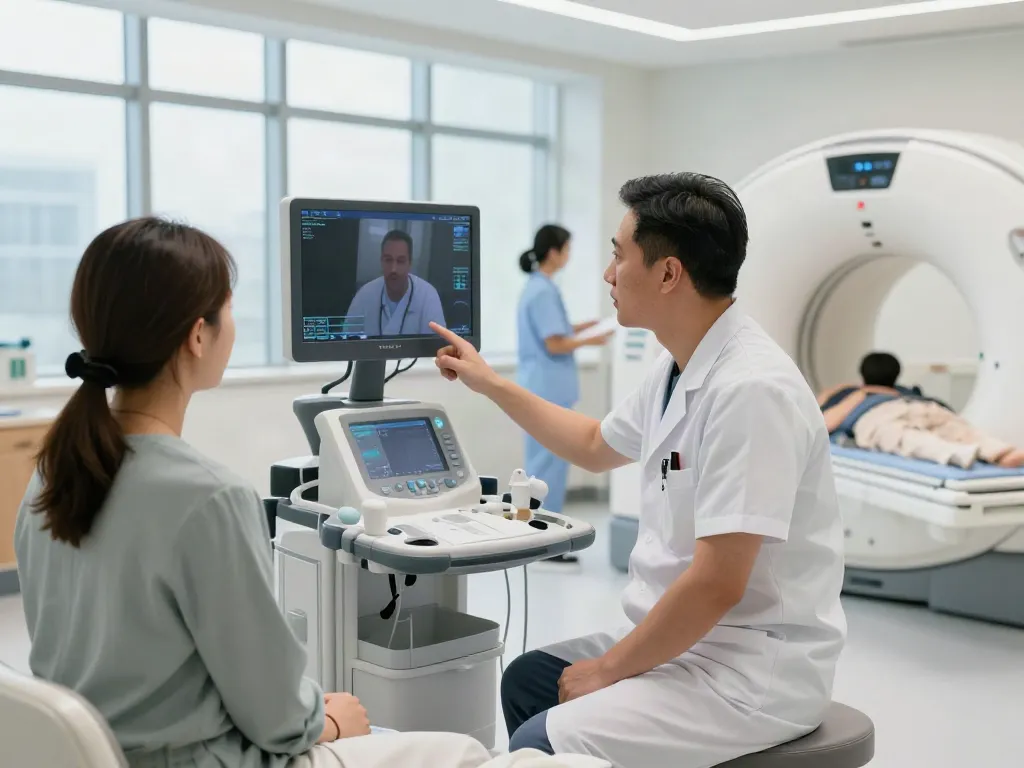
Understanding Telestroke Treatment
Telestroke treatment represents an innovative approach to stroke care, leveraging telemedicine technologies to provide timely consultations and treatments for stroke patients. As strokes constitute one of the leading causes of death and long-term disability across the globe, the need for immediate and effective medical intervention is paramount. With advancements in technology, telestroke consultations have emerged as a critical component in improving outcomes, particularly in settings where access to specialized stroke care may be limited. When exploring options, Telestroke treatment provides comprehensive insights into how remote neurological expertise can save lives.
What is Telestroke Treatment?
Telestroke treatment, or stroke telemedicine, refers to a system that allows healthcare providers to connect with specialized stroke experts through video conferencing technology. This approach facilitates prompt diagnosis and treatment decisions for patients suffering from acute strokes, which often require immediate intervention to minimize long-term damage. By using telecommunication technologies, healthcare facilities can deliver specialist care even if on-site neurologists are unavailable.
At its core, telestroke operates on a model of collaborative care, where emergency medical personnel can consult stroke specialists in real-time. This system is particularly beneficial for rural and underserved areas, where patients might otherwise face delays in receiving critical care. The process begins when a patient is transported to the emergency department, and a preliminary assessment is conducted. If a stroke is suspected, the medical team initiates a virtual consultation with the neurologist who can evaluate the patient’s condition and recommend treatment options.
How Telestroke Works in Emergency Care
The implementation of telestroke in emergency care settings involves several key steps. Once the initial evaluation suggests a possible stroke, the emergency team sets up a live video consultation with a neurologist. Utilizing high-definition video and audio technologies, the neurologist can directly observe the patient, assess symptoms, and review medical imaging such as CT scans or MRIs in real time.
This two-way communication streamlines the decision-making process, allowing neurologists to make informed recommendations regarding therapies such as thrombolysis, which involves administering clot-busting medications like tissue plasminogen activator (tPA). Timeliness is critical here; studies indicate that the sooner treatment is initiated, the better the outcomes for patients.
Benefits of Using Telestroke Technology
The advantages of telestroke treatment are manifold, particularly in enhancing patient outcomes. Key benefits include:
- Rapid Access to Specialists: Patients in remote areas can receive timely evaluations without needing to transport them to specialized centers.
- Improved Treatment Outcomes: Studies show that early intervention via telestroke significantly improves patient recovery rates and quality of life.
- Enhanced Diagnostic Capabilities: Direct access to neurologists allows for more accurate assessments and timely treatment decisions.
- Cost-Effective Care: By reducing the need for transfer to distant facilities, telestroke can lower overall healthcare costs.
- Increased Patient Comfort: Patients are often more comfortable receiving care in their local hospital rather than being transported far away.
Common Misconceptions About Telestroke
Debunking Myths About Remote Consultations
Despite its numerous benefits, telestroke treatment is often misunderstood. One prevalent misconception is that remote assessments are less effective than in-person evaluations. In reality, studies have demonstrated that telemedicine consultations can yield diagnostic accuracy comparable to traditional methods, thanks to advances in imaging and communication technologies.
Understanding Telemedicine Limitations in Stroke Care
While telestroke offers significant advantages, it also has limitations. One major concern is the quality of equipment and internet access, which can vary by location. High-speed internet and reliable video capabilities are essential for effective consultations. Additionally, while telemedicine can facilitate quick assessments, it cannot replace the need for hands-on physical examinations in all situations.
Addressing Patient Concerns on Telehealth Security
Patients frequently express concerns about privacy and security when receiving care through telemedicine platforms. Healthcare providers must ensure robust cybersecurity measures are in place to protect patient information. Compliance with regulations such as HIPAA (Health Insurance Portability and Accountability Act) is critical to safeguarding patient data during virtual consultations.
Implementation of Telestroke Programs
Steps for Hospitals to Adopt Telestroke Services
For hospitals seeking to implement telestroke services, several foundational steps must be taken:
- Assess Infrastructure: Evaluate existing technology and bandwidth capabilities to ensure they can support high-quality video consultations.
- Partner with Neurology Centers: Establish connections with reputable telehealth networks or stroke specialists who can provide consultations.
- Train Staff: Ensure that emergency room staff are adequately trained in the use of telemedicine systems and protocols for stroke care.
- Set Protocols: Develop clear protocols for initiating telestroke consultations and ensuring follow-up care.
Best Practices for Effective Telestroke Implementation
Effective implementation of telestroke programs hinges on several best practices:
- Ongoing Training: Regularly update training for medical staff on using technology and understanding stroke care protocols.
- Quality Control: Monitor and evaluate the effectiveness of telestroke services to identify areas for improvement.
- Patient Education: Educate patients about telestroke services and the importance of seeking immediate care if stroke symptoms occur.
Training Medical Staff for Telestroke Efficiency
Training is crucial for the success of any telestroke program. Medical personnel should receive specialized training on both technology use and the unique challenges associated with remote consultations. Regular simulation exercises can help staff become familiar with the system and improve their confidence in managing acute stroke cases remotely.
Success Stories: Real-World Applications of Telestroke
Case Studies of Improved Outcomes with Telestroke
Numerous case studies illustrate the significant impact that telestroke treatments can have on patient outcomes. For instance, a rural hospital in the Midwest adopted a telestroke program that reduced the time to treatment for stroke patients by nearly 50%. This resulted in improved recovery rates and decreased hospital stays, demonstrating the effectiveness of rapid intervention.
Impact of Telestroke on Rural Healthcare Access
Telestroke programs have been particularly transformative in rural areas, where access to specialized care is often limited. A report from a rural healthcare system indicated that telestroke enabled them to provide life-saving treatments to patients who would have otherwise needed to travel long distances, potentially delaying critical care.
Patient Testimonials on Telemedicine Experience
Feedback from patients who have utilized telestroke services has been overwhelmingly positive. Many express gratitude for the swift and efficient care they received through telemedicine, highlighting how it alleviated anxiety during a critical health crisis. Testimonials emphasize the comfort of being treated in familiar surroundings while still having access to specialized care.
The Future of Telestroke Treatment
Emerging Technologies in Stroke Telemedicine
The future of telestroke treatment looks promising as emerging technologies continue to enhance telemedicine capabilities. Developments in artificial intelligence (AI) and machine learning are expected to improve diagnostic accuracy and enable predictive analytics, potentially identifying stroke patients even before they reach the hospital.
Predictions for Telestroke Advancements by 2026
By 2026, it is anticipated that telestroke services will become standard practice across a wider array of healthcare settings. Innovations such as portable imaging devices and advanced telecommunication systems may further streamline the consultation process, leading to quicker treatment decisions and even better patient outcomes.
How Policy Changes May Affect Telestroke Services
As telemedicine continues to evolve, ongoing policy changes will likely impact telestroke services. Increased support and funding for telehealth initiatives, along with expanded reimbursement models for telehealth services, could enhance accessibility and sustainability of telestroke programs, ultimately saving more lives.
What are the key benefits of telestroke treatment?
The key benefits of telestroke treatment include rapid access to specialists, improved patient outcomes, enhanced diagnostic capabilities, cost-effective care, and increased patient comfort.
How does telestroke consultation work in practice?
Telestroke consultation works by utilizing high-definition video technology to connect emergency medical personnel with neurologists for real-time assessment and treatment recommendations for stroke patients.
What are the eligibility criteria for telestroke services?
Eligibility for telestroke services typically includes individuals presenting with acute stroke symptoms as determined by the emergency medical team. The specifics can vary by institution.
How can patients prepare for a telestroke consultation?
Patients can prepare for a telestroke consultation by being aware of their medical history and any medications they are taking, as well as identifying the onset of symptoms that triggered the emergency call.
What are the long-term outcomes of using telestroke treatment?
Long-term outcomes for patients treated through telestroke programs include improved functional recovery and a lower likelihood of long-term disability compared to those who experience delays in treatment.