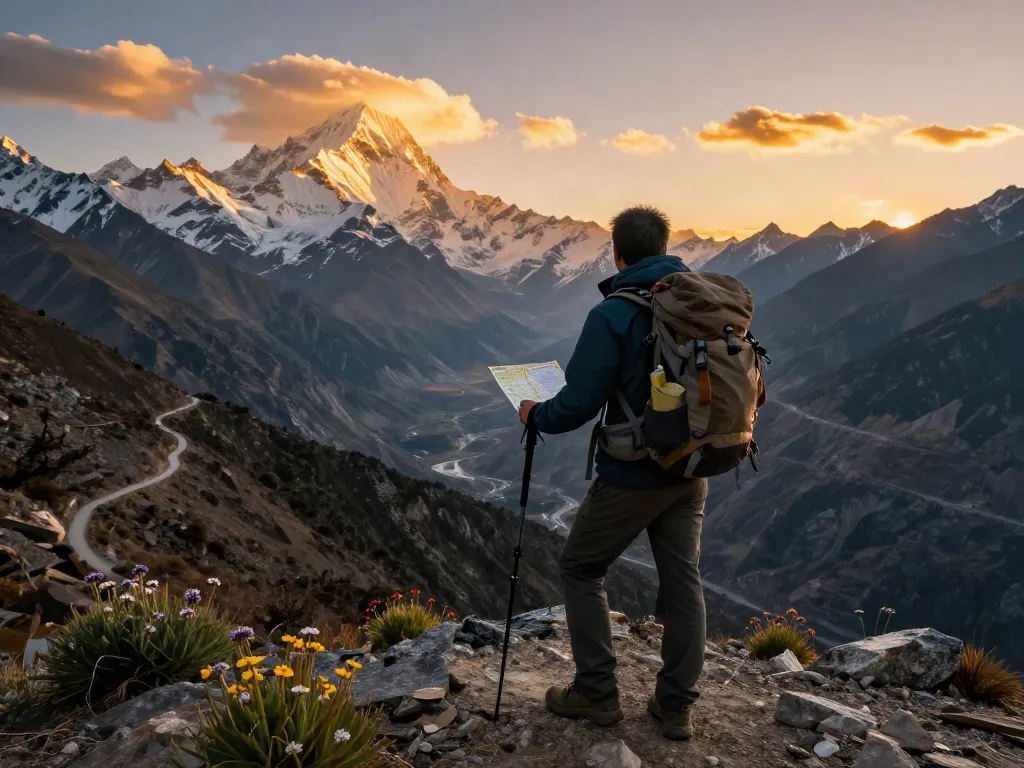
Understanding the Manaslu Circuit Trek
The Manaslu Circuit Trek is not just a journey; it’s an immersive experience that weaves together breathtaking landscapes, rich cultural heritage, and challenges that test your limits. As you traverse the formidable paths encircling the eighth highest peak in the world, Mount Manaslu, trekkers encounter diverse ecosystems, serene Tibetan monasteries, and vibrant local communities. For those planning an unforgettable adventure in Nepal, the trek to Manaslu Circuit offers a unique combination of solitude and natural beauty that is unrivaled by many popular trekking routes.
What is the trek to Manaslu Circuit?
The Manaslu Circuit Trek is a captivating 15-day journey through the Gorkha District of Nepal. This trek is perfect for experienced hikers seeking to escape the crowds often found on the more famous trails like the Annapurna Circuit or Everest Base Camp. The route encircles the majestic Mount Manaslu, providing trekkers with stunning panoramic views of soaring peaks and lush valleys. The trek generally covers approximately 177 kilometers (about 110 miles), with elevations reaching up to 5,160 meters (16,930 feet) at the Larkya La Pass, making it a challenging yet rewarding adventure.
Key highlights of the Manaslu Circuit
- Stunning Scenery: Experience the awe-inspiring views of the Manaslu massif, with unique landscapes that range from terraced fields to high alpine meadows.
- Cultural Immersion: Engage with the local Gurung and Tibetan communities, gaining insight into their rich cultures and traditions.
- Wildlife Encounters: The Manaslu Conservation Area is home to diverse wildlife, including snow leopards, Himalayan tahr, and various bird species, making it a paradise for nature lovers.
- Access to Historic Monasteries: Visit ancient monasteries like the Pungyen Gompa to learn about the spiritual practices of the region.
- Unique Trail Experience: Unlike other treks, the Manaslu Circuit offers a more isolated experience due to its restricted area status, allowing for a peaceful journey.
Overview of the trek's unique features
The unique features of the Manaslu Circuit Trek include its variety of terrains, which range from lush subtropical forests to high-altitude alpine meadows. Trekkers will also encounter challenging sections with rugged trails and steep ascents, particularly during the climb to the Larkya La Pass. The trek offers a rich blend of nature and culture, showcasing magnificent views of the Himalayan range while traversing through picturesque villages that maintain their traditional lifestyle.
Preparing for Your Trek
Preparation is essential for a successful trek to Manaslu Circuit. Ensuring you have the right gear, physical fitness, and acclimatization strategies can make a significant difference in your trekking experience.
Essential gear for the Manaslu Circuit trek
Proper gear is crucial for comfort and safety during the trek. Here’s a comprehensive list of essential items you should consider packing:
- Footwear: Sturdy, waterproof trekking boots with good ankle support.
- Clothing Layers: Moisture-wicking base layers, insulating layers (fleece or down jackets), and waterproof outer layers.
- Accessories: Warm hats, gloves, and buffs to protect against cold temperatures.
- Hydration: A durable water bottle and water purification system or tablets.
- Navigation Tools: Maps, compass, or GPS devices to stay on track.
- First Aid Kit: Including altitude sickness medication, blister care supplies, and personal medications.
Physical fitness requirements for trekkers
A good level of physical fitness is necessary to tackle the Manaslu Circuit. Trekkers should engage in regular cardiovascular and strength training exercises, such as:
- Hiking on varied terrain to build stamina.
- Running or biking to improve cardiovascular health.
- Weight training to strengthen core and leg muscles.
It’s advisable to start training at least two months before your trek, aiming for at least three to five workouts per week, focusing on both endurance and strength.
How to acclimatize for high altitudes
Acclimatization is key to successfully handling high altitudes. Here are some strategies to help your body adjust:
- Gradual Ascent: Follow the planned trek itinerary, allowing ample time for your body to adapt to increasing elevations.
- Stay Hydrated: Drink plenty of fluids to remain hydrated, which aids in acclimatization.
- Rest Days: Incorporate rest days in your itinerary, especially at high elevation points such as Samagaon.
- Watch for Symptoms: Be aware of symptoms of Acute Mountain Sickness (AMS) and descend if experiencing severe symptoms.
Itinerary Breakdown for 2026
Here's a detailed overview of the Manaslu Circuit Trek itinerary for 2026, providing day-by-day insights into what to expect:
Day-by-day trekking schedule
- Day 01: Arrival in Kathmandu; overnight in a hotel.
- Day 02: Drive to Machha Khola (8-10 hours); overnight in a guesthouse.
- Day 03: Trek to Jagat (6-7 hours); overnight in a guesthouse.
- Day 04: Trek to Deng (6-7 hours); overnight in a guesthouse.
- Day 05: Trek to Namrung (7-8 hours); overnight in a guesthouse.
- Day 06: Trek to Lho (3-4 hours); overnight in a guesthouse.
- Day 07: Trek to Samagaon (3-4 hours); overnight in a guesthouse.
- Day 08: Acclimatization day at Samagaon; hike to Birendra Lake and Manaslu Base Camp (7-8 hours); overnight in a guesthouse.
- Day 09: Trek to Samdo (3-4 hours); overnight in a guesthouse.
- Day 10: Trek to Dharmashala (4-5 hours); overnight in a guesthouse.
- Day 11: Trek to Bimthang via Larkya La Pass (8-9 hours); overnight in a guesthouse.
- Day 12: Trek to Goa (5-6 hours); overnight in a guesthouse.
- Day 13: Trek to Dharapani (3-4 hours); overnight in a guesthouse.
- Day 14: Drive back to Kathmandu (10-12 hours); overnight in a hotel.
- Day 15: Final departure from Kathmandu.
Key stops and acclimatization days
The itinerary includes strategic acclimatization days, particularly in Samagaon, where trekkers have the opportunity to adjust to the altitude while exploring local attractions. This is crucial for minimizing the risk of altitude sickness as you progress toward higher elevations.
What to expect on each segment of the trek
Trekking segments are designed to progressively elevate the difficulty while allowing for rest and recovery. The journey includes breathtaking views, cultural experiences, and interaction with local communities, making every day's trek unique and rewarding.
Costs and Permits for the Trek
Understanding the costs associated with the trek to Manaslu Circuit is vital for proper budgeting and preparation.
Understanding the trek to Manaslu Circuit costs
The cost for the Manaslu Circuit Trek typically ranges from $1,500 to $2,500, depending on various factors such as guide fees, accommodation, transportation, and meals included. Ace the Himalaya offers a comprehensive package for approximately $1,550 per person, which covers transportation, permits, meals, and lodging during the trek.
Required permits for a successful trek
Obtaining the necessary permits is essential for trekking in the Manaslu region, which includes:
- Manaslu Restricted Area Permit (MRAP)
- Manaslu Conservation Area Permit (MCAP)
- Trekkers Information Management System (TIMS) Permit
- Annapurna Conservation Area Permit (ACAP)
These permits can typically be arranged through your trekking agency prior to departure.
Tips for budgeting your trekking adventure
When budgeting for your trek, consider the following:
- Include daily expenses for meals and snacks.
- Set aside a budget for tips for guides and porters.
- Account for gear rental costs if needed.
- Prepare for optional costs like Wi-Fi, hot showers, and bottled water at teahouses.
Safety and Health Considerations
Prioritizing safety and health is crucial while trekking in challenging environments like the Manaslu Circuit. Understanding the risks and preparing accordingly can enhance your trekking experience.
Managing altitude sickness during the trek
Altitude sickness (AMS) is a potential risk on the Manaslu Circuit due to the high elevations. Trekkers should be aware of the symptoms and management strategies, which include:
- Recognizing early symptoms: headache, nausea, and dizziness.
- Descending to a lower altitude if symptoms worsen.
- Staying well-hydrated and avoiding alcohol.
Essential health precautions for trekkers
Health precautions are paramount when trekking. Make sure to:
- Carry a comprehensive first aid kit with personal medications.
- Consider travel insurance that covers trekking activities, including evacuation.
- Follow hygiene practices, especially in remote areas where sanitation may be compromised.
Emergency protocols and support on the trail
Understanding emergency procedures can provide peace of mind while on the trek. Being familiar with:
- The location of the nearest medical facilities and evacuation protocols.
- The communication devices available, such as satellite phones carried by guides.
- Emergency evacuation services offered through your trekking agency.
How difficult is the Manaslu Circuit Trek?
The Manaslu Circuit Trek is considered moderately challenging due to its elevation gains, rugged terrain, and longer daily trekking hours. Trekkers should expect daily walks of 5 to 8 hours, with some days being physically demanding. Experience with similar treks will be beneficial, but good fitness and mental preparedness are essential.
Can a beginner do Manaslu Circuit trek?
While the Manaslu Circuit is generally suited for those with prior trekking experience, beginners with good fitness and determination can undertake it with the right preparation and guidance from an experienced trekking agency. It is advisable to train adequately before the trek and to choose a guided tour.
What are the best times to trek the Manaslu Circuit?
Optimal trekking seasons for the Manaslu Circuit are during the spring (March to May) and autumn (September to November). These seasons provide stable weather conditions, offering clear skies and breathtaking mountain views. It is best to avoid the monsoon (June to August) due to heavy rains and potential landslides and winter (December to February) for harsh weather conditions.
Can I trek the Manaslu Circuit solo?
Solo trekking is not permitted in the Manaslu region due to trekking regulations that require a licensed guide for navigating the restricted area. Engaging a guide is essential not just for safety but also to enrich your experience through local insights and knowledge.