Understanding Turnkey Electronics Assembly
In today's fast-paced technology landscape, the demand for efficient and streamlined manufacturing processes has never been higher. Turnkey electronics assembly stands at the forefront of this evolution, offering businesses the ability to bring their products to market with speed and efficiency. This approach encompasses everything from design to production, allowing companies to concentrate on innovation rather than logistics. By leveraging a turnkey solution, organizations can significantly reduce lead times and simplify project management, leading to a more agile manufacturing process.
When exploring options, turnkey electronics assembly provides comprehensive insights into the best practices and technologies available in the market today.
What is Turnkey Electronics Assembly?
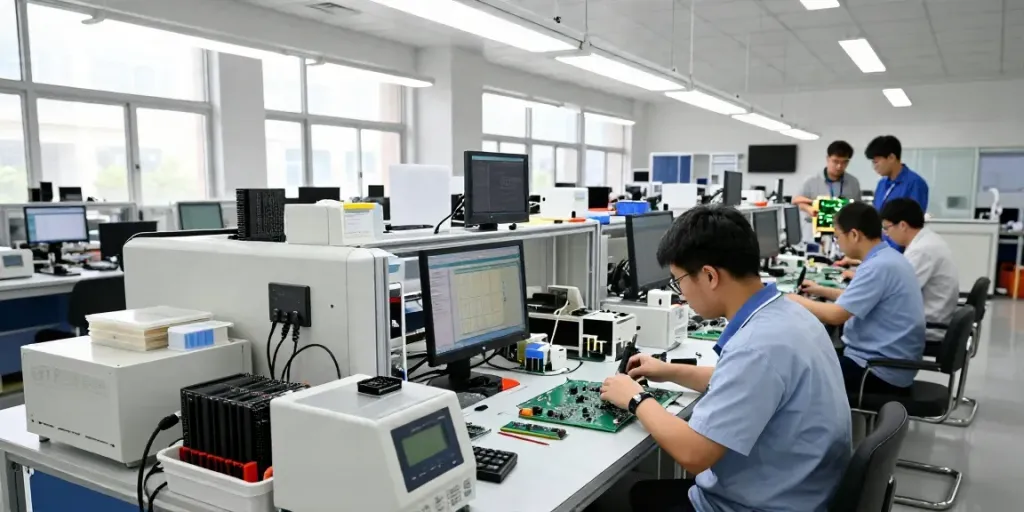
Turnkey electronics assembly refers to a manufacturing process where a single supplier manages the entire lifecycle of a product's assembly, from initial design specifications to the final delivery of completed products. This approach simplifies the production process by consolidating all necessary services under one roof. The key advantage of a turnkey solution is its ability to offer a comprehensive package that covers a range of services including:
- Component sourcing and procurement
- PCB design and fabrication
- Assembly and testing
- Logistics and distribution
By utilizing a single point of contact, businesses can streamline communications and enhance overall project coordination, thus eliminating the headaches associated with multi-supplier management
The Benefits of a Turnkey Approach
The turnkey assembly model presents numerous benefits for organizations aiming to optimize their manufacturing operations. Some of the most notable advantages include:
- Cost Efficiency: By consolidating services, companies can achieve lower operational costs through bulk purchasing and reduced administrative overhead.
- Faster Time-to-Market: A turnkey approach shortens the product development cycle, allowing businesses to respond quickly to market demands and capitalize on new opportunities.
- Quality Assurance: With a single manufacturer overseeing the entire process, there is a greater consistency in quality control measures, reducing the risk of defects and errors.
- Scalability: Turnkey solutions can easily adapt to changing production needs, whether a company requires a small batch of prototypes or large-scale production runs.
Key Components in Turnkey Electronics Assembly
Successful turnkey electronics assembly relies on the integration of several critical components:
- Design Collaboration: Close collaboration between the client and the assembly provider is essential to ensure that the design meets functional and manufacturability requirements.
- Advanced Manufacturing Technologies: Utilizing technologies such as surface mount technology (SMT) and automated assembly processes ensures high precision and efficiency.
- Testing and Validation: Comprehensive testing protocols should be in place to verify that each assembly meets stringent quality standards before distribution.
- Logistics Management: Effective logistics and supply chain management are crucial to ensure timely delivery and inventory control throughout the production process.
Choosing the Right Turnkey Electronics Assembly Partner
Finding the ideal partner for turnkey electronics assembly can significantly impact the success of your project. It’s essential to evaluate potential manufacturers based on specific criteria to ensure a fruitful collaboration.
What to Look for in a Manufacturer?
When selecting a turnkey assembly partner, consider the following key factors:
- Experience and Expertise: Look for manufacturers with a proven track record in electronics assembly and familiarity with your specific industry.
- Certifications: Ensure that the manufacturer holds relevant certifications, such as ISO 9001, to guarantee adherence to quality management standards.
- Technology Capabilities: Assess whether the manufacturer uses state-of-the-art machinery and technologies that align with your project requirements.
- Client References: Request testimonials or case studies from previous clients to gauge the manufacturer's reliability and performance.
Evaluating Capabilities and Technologies
It’s crucial to thoroughly assess the technological capabilities of potential assembly partners. Some aspects to evaluate include:
- Manufacturing Capacity: Ensure the manufacturer can handle your volume requirements, both for prototypes and large-scale production.
- Technology Utilization: Investigate whether they employ modern manufacturing methodologies, such as lean manufacturing and automation.
- Flexibility: The partner should be capable of adapting to changing design specifications and production schedules without compromising quality.
Understanding Pricing Models and Contracts
A clear understanding of pricing models is essential to prevent budget overruns and ensure that your project stays on track financially. Key considerations include:
- Transparent Pricing: Look for manufacturers who provide detailed quotes, breaking down costs for parts, labor, testing, and other associated fees.
- Payment Terms: Clarify payment schedules and any upfront costs required before project initiation.
- Contractual Obligations: Review contracts carefully to ensure they align with your expectations and protect your interests.
Best Practices for Successful Implementation
Implementing a turnkey electronics assembly project requires adherence to best practices to ensure success. From project management to communication, here are key considerations:
Steps for Streamlined Project Management
Efficient project management is vital for the successful execution of turnkey assembly projects. Consider the following steps:
- Define Objectives: Establish clear project objectives, timelines, and deliverables right from the start.
- Resource Allocation: Assign team members to oversee different aspects of the project, ensuring that everyone understands their roles.
- Milestone Tracking: Regularly review progress against defined milestones to identify potential issues early.
Effective Communication with Your Assembly Team
Open and transparent communication is crucial throughout the entire assembly process. Follow these tips:
- Regular Updates: Schedule frequent check-ins with your assembly team to keep everyone aligned and eliminate misunderstandings.
- Feedback Loops: Foster a culture of feedback where team members can share insights and suggestions for improvement.
- Documentation: Maintain thorough documentation of all project-related communications to refer back to as needed.
Quality Control Measures in Turnkey Projects
Implementing strong quality control measures is fundamental to ensuring that the final products meet your standards. Key practices include:
- Quality Assurance Plans: Develop a comprehensive quality assurance plan that outlines testing and inspection procedures.
- Consistency Checks: Conduct regular audits and inspections throughout the production process to identify any deviations.
- Supplier Quality Management: Ensure that all components sourced from suppliers meet required specifications and standards.
Common Challenges in Turnkey Electronics Assembly
While the turnkey model provides significant advantages, it is not without its challenges. Being proactive can help mitigate these issues.
Addressing Supply Chain Disruptions
Supply chain disruptions can severely impact production timelines. To address potential risks:
- Diverse Supplier Networks: Build relationships with multiple suppliers to ensure access to critical components, even in times of shortage.
- Inventory Management: Keep a buffer stock of essential components to avoid production delays.
- Regular Risk Assessments: Monitor supply chain health and conduct regular risk assessments to identify vulnerabilities.
Managing Expectations and Timelines
Clear communication about project timelines and expectations is vital for project success. To manage these effectively:
- Set Realistic Deadlines: Base timelines on thorough evaluations of production capabilities and potential bottlenecks.
- Transparent Communication: Keep stakeholders informed of any changes to timelines or project scope.
- User Feedback: Incorporate user feedback into the development process to ensure the product aligns with market needs.
Mitigating Risks with Comprehensive Planning
Effective planning can significantly reduce risks associated with turnkey projects. Best practices include:
- Detailed Planning Documentation: Create a comprehensive plan that outlines all aspects of the project, including timelines and responsibilities.
- Contingency Planning: Develop contingency plans for potential setbacks, outlining steps to take should issues arise.
- Stakeholder Involvement: Involve all relevant stakeholders in the planning process to align on objectives and responsibilities.
Future Trends in Turnkey Electronics Assembly
Keeping up with emerging trends can help businesses stay ahead in the electronics assembly landscape. Here are several key developments to watch:
Emerging Technologies and Their Impact
Technologies such as artificial intelligence (AI) and machine learning (ML) are increasingly infiltrating the electronics assembly sector. Their impact includes:
- Enhanced Automation: AI-driven automation improves production efficiency through predictive maintenance and optimized workflows.
- Data Analytics: Utilizing data analytics for real-time monitoring of production processes helps identify areas for improvement.
- Smart Manufacturing: Integration of IoT devices in manufacturing allows for better tracking and management of resources.
Predictions for 2026 and Beyond
As the industry evolves, several predictions can be made regarding the future of turnkey electronics assembly:
- Increased Customization: Manufacturers will focus more on customized solutions to meet specific client needs, leading to more flexible assembly lines.
- Expansion of Local Sourcing: To mitigate supply chain risks, companies may favor local suppliers, promoting regional manufacturing.
- Focus on Sustainability: Growing environmental awareness will drive the adoption of sustainable practices across the assembly process.
Sustainable Practices in Electronics Manufacturing
As the demand for environmentally responsible manufacturing increases, companies are likely to implement sustainable practices such as:
- Waste Reduction: Strategies to minimize waste throughout the production process will be prioritized.
- Energy Efficiency: Investment in energy-efficient technologies will not only reduce costs but also lower carbon footprints.
- Recycling and Reuse: Encouraging the recycling and reuse of electronic components will become a staple in manufacturing processes.
What are the key advantages of turnkey electronics assembly?
The primary advantages of turnkey electronics assembly include cost efficiency, faster time-to-market, improved quality assurance, and enhanced scalability. These benefits help businesses streamline their manufacturing processes, allowing for greater focus on core activities such as research and development.
How can I choose the right partner for PCB assembly?
To choose the right partner for PCB assembly, evaluate potential manufacturers based on their experience, technology capabilities, certifications, and client feedback. It’s crucial to ensure they can meet your specific project requirements and align with your business values.
What challenges do startups face in turnkey assembly?
Startups often face challenges such as limited budgets, tight timelines, and the need for rapid prototyping. Establishing strong relationships with reliable assembly partners and investing in effective project management can help mitigate these challenges.
How can quality control be improved in electronics assembly?
Quality control can be enhanced through rigorous testing protocols, implementing clear quality assurance plans, and conducting regular audits throughout the assembly process. Effective communication and collaboration with assembly partners are also essential for maintaining high standards.
What emerging technologies are shaping the future of electronics assembly?
Emerging technologies such as artificial intelligence, machine learning, and IoT are significantly transforming the electronics assembly landscape. These technologies are enhancing automation, improving efficiency, and driving innovation, ultimately leading to smarter manufacturing processes.