Understanding Water Reclaim Systems Today
In an age where water scarcity is a pressing global issue, the role of innovative technologies like Water Reclaim System has never been more critical. These systems are not just a solution for resource recovery; they are pivotal in shaping sustainable water management practices across various industries. As urbanization and climate change put immense pressure on freshwater resources, implementing effective water reclaim systems is essential for enhancing operational resilience while promoting environmental stewardship.
What is a Water Reclaim System?
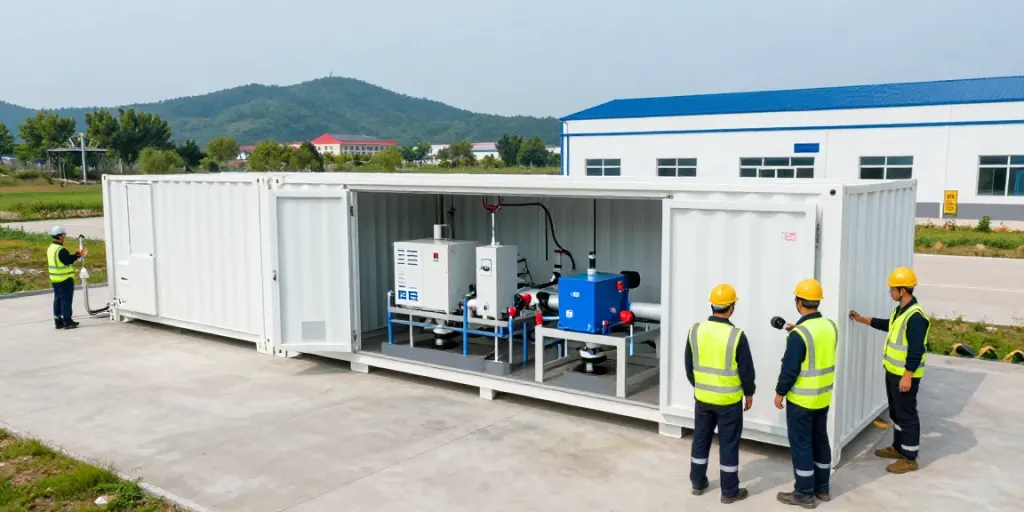
A water reclaim system is designed to treat and recycle wastewater, making it suitable for reuse in various applications, such as irrigation, industrial processing, and even recreational purposes. These systems typically utilize advanced technologies, including membrane bioreactors (MBR), ultrafiltration (UF), and reverse osmosis (RO), to ensure the reclaimed water meets rigorous quality standards. By converting wastewater into a resource, water reclaim systems play a crucial role in reducing the demand for freshwater and mitigating the environmental impacts of wastewater discharge.
Key Components of Modern Systems
Modern water reclaim systems consist of several fundamental components that work in concert to ensure efficient treatment and recycling:
- Pre-treatment Units: These units remove large solids and debris from wastewater, allowing for effective downstream processing.
- Membrane Bioreactors (MBR): MBRs combine biological wastewater treatment with membrane filtration to produce high-quality effluent.
- Ultrafiltration (UF): UF membranes further filter the treated water, removing pathogens and suspended solids.
- Reverse Osmosis (RO): RO units remove dissolved impurities, ensuring the reclaimed water is of potable quality.
- Disinfection Systems: Technologies such as UV light or chlorine treatment are employed to eliminate any remaining pathogens in the reclaimed water.
Advantages of Reclaimed Water Use
The utilization of reclaimed water presents numerous benefits, both environmentally and economically:
- Resource Conservation: By recycling wastewater, organizations can significantly reduce their dependence on freshwater sources, contributing to sustainable resource management.
- Cost Savings: Reclaimed water can be less expensive than treated potable water, resulting in decreased operational costs for industries that require large volumes of water.
- Environmental Protection: Using reclaimed water reduces the discharge of wastewater into natural bodies of water, lessening the risk of pollution and preserving ecosystems.
- Regulatory Compliance: Many regions impose strict regulations on wastewater discharge; utilizing reclaimed water can facilitate compliance with these mandates.
Historical Development of Water Reclaim Technologies
Early Water Reclaim Techniques
Water reclamation is not a modern concept; its origins can be traced back to ancient civilizations that recognized the importance of recycling water. Early methods often involved rudimentary filtration techniques and natural purification processes, such as sedimentation and slow sand filtration. These methods laid the groundwork for today's advanced systems.
Technological Innovations Over the Years
As industrialization progressed, the need for effective wastewater management became more evident. The development of biological treatment processes in the mid-20th century revolutionized water reclamation. Technologies like activated sludge processes and trickling filters emerged, leading to more efficient treatment of wastewater. The introduction of membrane technologies in the late 20th century further enhanced the quality of reclaimed water, allowing for its use in applications previously deemed unsuitable.
Case Studies in Evolution of Systems
One notable example of technological evolution in water reclamation is the implementation of a comprehensive reclaimed water system in Singapore. The NEWater project integrates advanced treatment technologies to produce high-quality reclaimed water for industrial use and potable applications. This initiative demonstrates the successful integration of reclaimed water systems into urban water supply, showcasing the potential for large-scale adoption in other regions.
Modern Implementation Strategies
Choosing the Right System for Your Needs
When considering the implementation of a water reclaim system, it is essential to assess the specific needs and constraints of your operation. Key factors to consider include:
- Water Quality Requirements: Determine the intended use of reclaimed water to select appropriate treatment technologies.
- Volume of Wastewater: Understand the quantity of wastewater generated to ensure the system can handle peak loads effectively.
- Space Availability: Consider the spatial constraints of your facility, as some systems may require more real estate than others.
- Regulatory Compliance: Ensure that the selected system meets all local regulations and standards for reclaimed water usage.
Best Practices for System Installation
Successful installation of a water reclaim system requires careful planning and execution. Best practices include:
- Conducting Feasibility Studies: Assess the technical and economic viability of the proposed system before installation.
- Involving Stakeholders: Engage all relevant stakeholders, including regulatory bodies, during the planning phase to ensure alignment with compliance requirements.
- Implementing Pilot Projects: Testing a smaller scale model can help identify potential issues before full-scale implementation.
Monitoring and Maintenance Techniques
Regular monitoring and maintenance are critical for the long-term success of a water reclaim system. Techniques include:
- Routine Inspections: Schedule routine inspections to check for system performance and identify any areas that require attention.
- Data Logging: Use automated data logging systems to track operational metrics and ensure compliance with quality standards.
- Training Staff: Provide ongoing training for operational staff to ensure they are knowledgeable about system functions and maintenance protocols.
Challenges and Misconceptions
Common Misunderstandings About Reclaimed Water
Despite the proven benefits, misconceptions about reclaimed water persist. One common myth is that reclaimed water is unsafe for use. Advances in treatment technologies ensure that reclaimed water can meet stringent safety standards, making it suitable for a variety of applications. Educational campaigns can help shift public perceptions and promote acceptance of reclaimed water initiatives.
Environmental Concerns and Regulations
Environmental concerns often arise regarding the potential effects of reclaimed water on ecosystems. Organizations must thoroughly assess the environmental impacts of their systems, ensuring compliance with regulations that govern water quality and ecosystem protection. Collaborative efforts between industry, regulators, and communities are essential to address concerns and promote best practices.
Overcoming Implementation Hurdles
Implementation hurdles, such as high initial costs and resistance from stakeholders, can obstruct the adoption of water reclaim systems. To overcome these challenges, businesses can leverage financial incentives, such as grants and subsidies, and emphasize the long-term cost savings and environmental benefits associated with reclaimed water use.
The Future of Water Reclaim Systems by 2026
Emerging Technologies and Trends
The landscape of water reclamation is evolving rapidly, with promising trends on the horizon. Innovations such as decentralized treatment systems, smart technology integration, and advanced biological treatment processes are transforming how reclaimed water is produced and utilized. These advancements enhance efficiency and adaptability, allowing for a broader range of applications and improved performance in various settings.
Predicting Industry Changes
By 2026, we can expect a shift towards more integrated water management approaches, where reclaimed water systems become central to urban planning and infrastructure. As public awareness of water scarcity grows, the demand for innovative water solutions will drive investment and research into more efficient water reclaim technologies.
Preparing for the Next Generation of Water Reuse
To prepare for the future, stakeholders must prioritize investment in research and development, engage in cross-sector partnerships, and advocate for supportive policies. Through collaborative efforts, we can create resilient water systems that enhance sustainability and ensure adequate water resources for generations to come.